



When you design a custom home from scratch, the choices can feel endless. It is easy to focus on the fun details, like quartz countertops, light fixtures, or kitchen finishes.
But if you want to spend your budget wisely, the bigger question is this: what adds the most value to a new home?
The best investments usually do three things at once. They lower your monthly bills, make the home easier to live in, and help protect resale value later on.
1. Start with the Home’s Envelope
If you ask an appraiser or future buyer what matters most, energy efficiency is usually near the top of the list. That is why the best place to spend money is often on the parts of the home you will never see once the drywall is finished.
Better insulation
Upgrading beyond the minimum building code for attic and wall insulation can pay off quickly. In Wisconsin, where winters are cold and summers can still get humid, a better thermal envelope helps your home stay comfortable without forcing the HVAC system to work as hard.
High-performance windows
Triple-pane or high-performance Low-E windows can help reduce drafts and improve comfort throughout the year. They also support better energy performance, which is something buyers often notice.
Long-term return
Unlike trendy finishes that may look dated in a few years, an efficient home envelope helps reduce operating costs over the long haul. That kind of upgrade can make a real difference every month.
2. Build for Flexibility
A home that can adapt over time tends to hold its value better. That is why flexible floor plans and subtle universal design features are smart investments.
Main-level flex space
A room on the first floor that can function as a home office, guest room, or future suite adds real staying power to the layout. It gives the home more options as your family’s needs change.
Universal design features
Wider doorways, curbless showers, and minimal level changes can make a home easier to live in for years to come. These details also feel more intentional and upscale when they are built in from the start.
3. Prioritize Smart Storage
Storage is one of those things that buyers appreciate every single day, even if they do not talk about it much during the house tour. When square footage is expensive, making each area more useful adds lasting value.
Mudroom space
In Wisconsin, a mudroom is not just nice to have. It helps manage snow, mud, boots, coats, and everything else that comes with the seasons. Built-in lockers, a bench, and durable flooring can keep the rest of the home cleaner and more organized.
Pantry or scullery space
A walk-in pantry or secondary prep area keeps the kitchen from feeling cluttered. It gives you room for appliances, groceries, and prep work without crowding the main kitchen.
4. Focus on Kitchens and Baths
If you are choosing where to spend on visible finishes, the kitchen and primary bathroom usually give the strongest return. These are the rooms most buyers notice, and they are also the spaces you will use every day.
Functional kitchen island
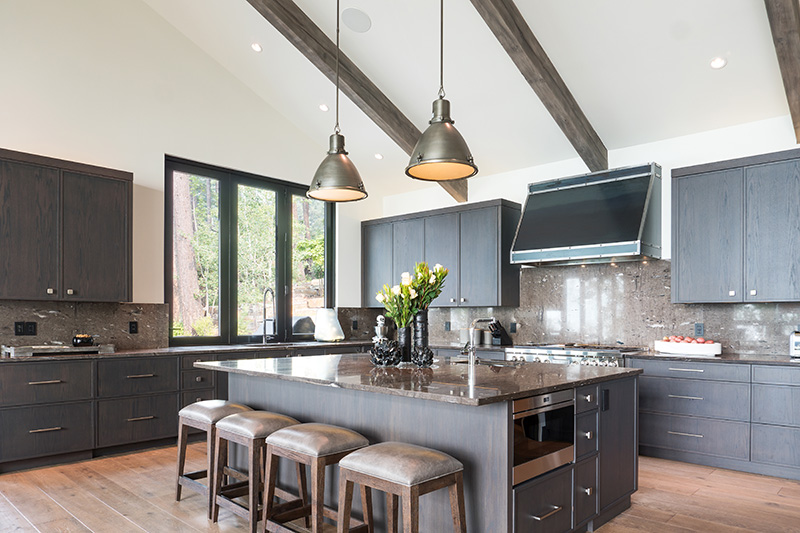
A large island with room for prep, seating, and storage can become one of the hardest-working parts of the home. It makes the kitchen more useful and more inviting.
Comfortable primary bath
A primary bath should feel calm and practical, not just pretty. Walk-in tiled showers, layered lighting, and radiant floor heat can make the room more enjoyable in daily use while also adding resale appeal.
What to Know Before You Spend
If you want the most value from a new home, put the money into structure, efficiency, and layout first. You can always change fixtures and finishes later, but it is much harder to upgrade insulation, move walls, or improve the home’s basic flow after construction is complete.
At Woodcraft Homes, we help clients think through these decisions before the build begins. We work with you to prioritize upgrades that fit your budget, support daily life, and make sense for the long term.
Ready to design a custom home that makes your budget work harder? Contact Woodcraft Homes today to talk through your options and start planning with confidence.