




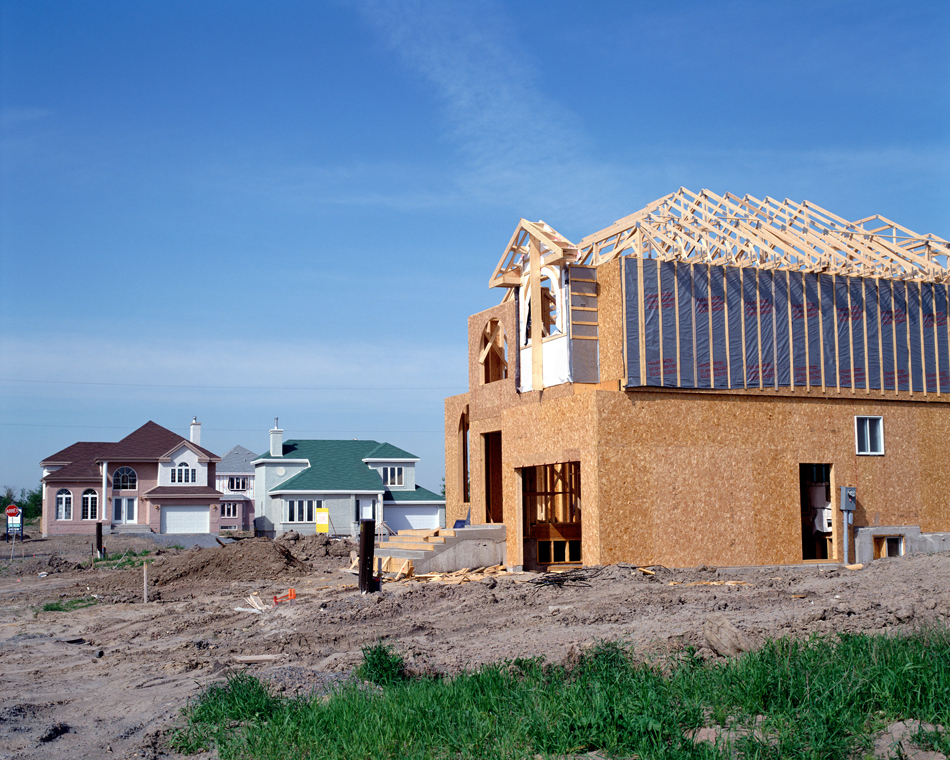
Finding the right piece of land is the true first step in building a custom home. Whether you are looking at a wooded lot in the country or a lot in an established neighborhood, the site you choose will affect everything from your floor plan to your final budget.
In Central Wisconsin, choosing a lot is about more than finding a pretty view. A lot that looks ideal on paper can still come with zoning limits, soil issues, or site prep costs that change your plans quickly.
Here is what to look for before you commit.
1. Neighborhood Rules vs. Open Acreage
The first big decision is deciding what kind of setting you want. Where you build will determine the kinds of rules and responsibilities you have to work through.
In an established neighborhood or subdivision
If you choose a lot in a developed community, you will likely deal with restrictive covenants or HOA guidelines. These are not always a bad thing, since they can help maintain consistency and support resale value. But they may also limit:
- Minimum or maximum square footage.
- Exterior materials such as brick or stone.
- Detached workshops or outbuildings.
- Boats, trailers, or other visible storage.
- Setback rules that reduce your usable building area.
On private rural acreage
If you buy an unplatted piece of land in the country, you usually get more freedom, but you also take on more responsibility. You will need to think about driveway length, clearing costs, grading, and how much site prep the property will require before construction can begin.
A long driveway through the trees may look great, but it can also increase your upfront budget and your winter maintenance costs.
2. Soil Conditions and Water Table
You cannot talk about building in Central Wisconsin without talking about soil. Conditions vary widely from one property to another, and that can have a major impact on your foundation and septic planning.
Sandy soil
Sandy soil often drains well, which can be helpful in areas where wet basements are a concern. At the same time, sandy conditions may require more careful foundation design so the home sits properly over time.
High water table
If you are looking near the Wisconsin River, Lake Petenwell, or other low-lying areas, the water table may be close to the surface. That does not automatically rule out building, but it may affect whether a full basement makes sense. In some cases, a crawlspace or slab foundation may be the better fit.
If municipal sewer service is not available, make sure the land purchase is contingent on a successful soil test or perc test.
3. Sunlight and Natural Slopes
The way the land slopes and the direction it faces can affect how your home feels once you are living in it.
Use the slope to your advantage
A perfectly flat lot can be easier to build on, but a gentle slope can create a real design advantage. If the lot drops gradually from front to back, you may be able to create a walk-out or partially exposed lower level with larger windows and a patio door.
That can make the lower level feel brighter and more usable.
Pay attention to sun exposure
Think about how you use your home day to day. If you want a bright kitchen in the morning, orientation matters. If you want sunset views from the back deck, the direction of the lot will matter too.
Good orientation can also support energy efficiency by helping you take advantage of seasonal sunlight.
4. The True Cost of Utilities
A lot that looks affordable at first can become expensive if the utilities are not already nearby. That is why it is important to look beyond the purchase price and think about what it will take to make the lot build-ready.
In town or near city services
If water, sewer, and natural gas are already at the curb, your hookup costs are usually more predictable.
In rural areas
If you are building outside of town, you may need to budget for a private well and septic system. You should also ask the utility company how much it will cost to bring electrical service to the building site.
Running power a long distance down a wooded driveway can add a meaningful amount to the project cost.
What to Know Before You Buy
The best way to protect your budget is to involve your builder before you finalize the land purchase. A good builder can spot issues that are easy to miss, such as drainage concerns, clearing costs, setbacks, and access problems.
At Woodcraft Homes, we help families think through lot selection in Central Wisconsin so they can move forward with more confidence. We look at the property through the lens of both design and construction so you can better understand how your future home may fit on the land.
Thinking about buying a lot in Central Wisconsin? Contact Woodcraft Homes today to talk through your options and take the next step toward your custom home.