




Buying a piece of vacant land in Central Wisconsin can feel like the first step toward building your dream home. It gives you the freedom to choose the setting, the layout, and the kind of home you want to build from the ground up.
But not every attractive lot is ready for construction. In Wisconsin, vacant land does not always mean buildable land, and the difference can affect everything from zoning to septic costs to utility access.
1. Check Zoning and Deed Restrictions
The first thing to confirm is whether the property can legally support a home. Some parcels are zoned for agricultural or recreational use only, while others may have acreage minimums or other local rules that affect residential construction.
You should also review the deed for any covenants or restrictions. These can limit home size, outbuildings, or even temporary living arrangements during construction.
2. Understand the Soil and Septic Requirements
If you are building outside city limits in rural Central Wisconsin, a private septic system is usually part of the plan. Before you can move forward with a building permit, the land typically needs a soil evaluation or perc test.
The soil results help determine what type of septic system the property can support.
- Well-draining soil may allow for a conventional septic system.
- Heavy clay or a high water table may require a mound system.
- If the soil does not test well enough, the lot may need a different design or may not be suitable for a standard home site.
3. Budget for Utilities and Site Prep
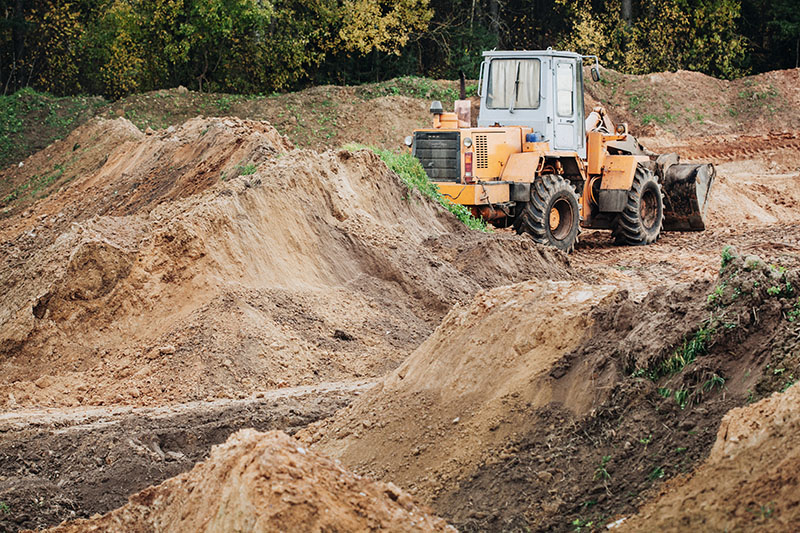
Vacant land often means you are starting from scratch. That usually means covering the cost of basic site improvements before construction can begin.
Common expenses include:
- Electrical service installation.
- Well drilling for water.
- Driveway access and grading.
- Tree clearing and lot preparation.
- Gravel or base work for construction access.
These costs can add up quickly, especially on wooded or remote lots.
4. Confirm Access and Easements
Do not assume road frontage automatically means easy access. In many cases, you will still need a driveway permit from the county or township.
If the lot is landlocked or partially accessed through another property, make sure there is a recorded easement in place. A verbal agreement is not enough when it comes to financing, construction, or long-term ownership.
Frequently Asked Questions
Can you build a house on any vacant land in Wisconsin?
No. The land must be properly zoned, have access, and support the necessary utilities and septic requirements before it can be used for a home site.
What is the first step before buying vacant land?
Check zoning, access, and soil conditions before you buy. Those three items often have the biggest impact on whether the lot is actually buildable.
Do I need a perc test before building?
In many rural areas, yes. A soil evaluation or perc test is often needed to determine what kind of septic system the property can support.
Are utility hookups included with vacant land?
Usually not. Buyers often need to budget separately for power, water, driveway work, and other site prep costs.
What to Know Before You Buy
Can you build a house on vacant land in Wisconsin? Yes, but only after you confirm that the land is actually suitable for a home site.
At Woodcraft Homes, we help buyers think through the building process before they move forward. If you are comparing vacant land options in Central Wisconsin, reach out to Woodcraft Homes to talk about the kind of home you want to build and what to look for before you buy.
Found land you are considering? Contact Woodcraft Homes today to start planning your custom home with confidence.